

Blog
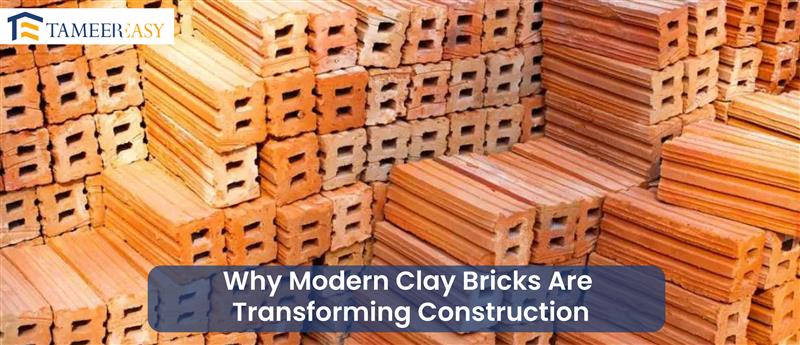
Why Modern Clay Bricks Are Transforming Construction
The construction industry in Pakistan is going through a significant transformation, with bricks being the foremost material in all types of building activities, i.e., residential, commercial, and even infrastructural. However, today’s builders, designers, and homeowners are no longer content with the conventional selections. Their expectations have risen to the level of requiring stronger, more durable, energy-efficient, and cheaper alternatives. It is the best quality clay bricks; a new breed of advanced and optimized building units that have started to alter the whole concept of structure to be designed and constructed.
The present material guide includes all the points that are highly relevant to the Pakistani users in the topics of cost transparency, material advisory, quality issues, durability choices, and even future trends.
What Are Clay Bricks and Why Are They Becoming Pakistan’s Top Choice?
bricks are engineered building units designed for better strength, insulation, alignment, and reduced construction time. These modern bricks address common issues faced in Pakistan such as heat exposure, seismic vulnerability, moisture problems, and rising material costs.
In simple terms, bricks are an upgraded version of traditional clay bricks, offering:
- Higher structural stability
- Improved thermal insulation
- Consistent size and shape
- Less wastage
- Longer lifespan
- Better load-bearing capacity
With fluctuating bricks rate in Pakistan, homeowners and builders want durable materials that minimize long-term maintenance. bricks solve this by offering better performance for the same or slightly higher initial cost.
Why Pakistan Needs a Shift from Traditional Bricks to Clay Bricks
Traditional bricks support millions of homes, but they come with problems:
- Uneven sizes affect wall alignment
- Higher labor effort increases time and cost
- Weak insulation causes heat retention
- Water absorption leads to dampness
- Load-bearing capacity varies by brick kiln
As construction demand increases, Pakistan needs materials that offer precision, strength, and energy efficiency.
Construction Quality Issues in Pakistan
Pakistan faces several construction challenges:
1. Inconsistent Clay Brick Quality
Most materials come from small, unregulated kilns. This leads to size variation, poor bonding, and unpredictable strength.
2. Weak Thermal and Sound Insulation
Traditional clay bricks often fail to reduce heat and noise, increasing electricity usage in urban homes.
3. High Maintenance Costs Over Time
Many homeowners struggle with cracks, moisture, and plaster damage—issues linked to poor-quality units.
4. Rising Material Prices
With fluctuating bricks price in Pakistan, builders look for options that give long-term savings.
5. Lack of Standardization
Many units do not match the recommended Clay Bricks size in Pakistan, leading to construction inaccuracies.
These common problems create a strong need for a better building material which is bricks.
Clay Bricks Built for Pakistan’s Climate and Construction Demands
Clay bricks address all the pain points by offering advanced structural geometry and material stability.
1. Precision in Shape and Alignment
These follow standardized brick dimensions, ensuring smooth construction without excessive plaster work.
2. Strength That Supports Modern Architecture
Engineered density and compressive strength make them ideal for high-rise and load-bearing structures.
3. Better Heat Control
Their compact molecular arrangement reduces internal heat transfer, making homes more energy-efficient in Pakistan’s climate.
4. Moisture-Resistant Construction
They minimize dampness, seepage, and wall discoloration.
5. Faster Construction Process
Their accuracy and interlocking potential ensure quicker building cycles with less material waste.
6. Versatility for Aesthetic Design
They are compatible with traditional brick wall architecture and modern brick wall design concepts.
Types of Clay Bricks Used in Pakistan
These bricks are available in different structural forms and compositions. The most common types include:
1. Compressed Stabilized Earth Bricks
Produced under controlled pressure with soil, sand, and stabilizers—ideal for eco-friendly construction.
2. Fly Ash Bricks
Lightweight, strong, and highly resistant to moisture, suitable for urban construction.
3. Interlocking Bricks
Allow faster construction without excessive mortar, ideal for cost-efficient structures.
4. Hollow and Cellular Bricks
Known for insulation, reduced weight, and seismic resistance.
5. High-Density Red Brick Alternatives
Engineered alternatives to traditional red brick, offering uniformity and strength.
These options help meet Pakistan’s modern construction standards without compromising structural integrity. The top picks for clay bricks in Pakistan include:
- Awal bricks
- Awal sakht bricks
- Awal laal bricks
- Tile bricks
- Doaaim
- Brick blast
- Semi special bricks
Visit the TameerEasy store today to buy the best quality material at the lowest market rates.
How Clay Bricks Improve Construction Quality
Builders and homeowners can follow this 7-step process to ensure a stronger, long-lasting structure using Clay Brick:
Step 1: Choose Standardized Material
Select a material that meets quality benchmarks. Confirm consistency, shape, and compression strength through visual and documented checks.
Step 2: Assess the Load and Structural Requirement
For houses, hollow or fly-ash units are ideal. For commercial and high-rise projects, dense and interlocking options work best.
Step 3: Inspect Each Batch Before Use
Ensure no cracks, uneven edges, or over-burnt pieces. Always check stability under light pressure.
Step 4: Use Proper Mortar Mix
The right mix increases wall bonding and durability. bricks require less mortar but proper ratios matter.
Step 5: Build in Horizontal and Vertical Alignment
Their standardized shape helps maintain consistent alignment, reducing structural weaknesses.
Step 6: Strengthen Corners and Load Points
Use high-density pieces for corners and pressure points to prevent long-term cracks.
Step 7: Apply Moisture Protection Measures
Even the best units need surface protection through plaster, paint, or sealants to enhance durability.
Clay Bricks vs. Traditional Bricks: Which Is Better for Pakistan?
bricks offer:
- Faster construction
- Lower long-term cost
- Superior insulation
- Environmental sustainability
- Higher strength
- Precise composition
While traditional options may still dominate rural areas, the long-term value of smart materials makes them a preferred solution for modern buildings.
Understanding Bricks Used in Pakistan Today
Here is how bricks function in Pakistan’s evolving market:
Traditional Clay Units
They are widely available and used in most constructions due to familiarity and cost.
Modern Alternatives
These include interlocking, cellular, and fly-ash options, offering better strength, insulation, and uniformity.
Aesthetic Materials
Used for façade finishes, pathways, and landscape designs, often favored by architects.
Location-Based Price Variations
Material cost varies by city, especially the bricks rate in Lahore, Karachi, Islamabad, and regional towns.
Why Modern Clay Bricks have Become a Trend in Pakistan
Urbanization – the rapid expansion of cities has influenced the people’s choice of durable and efficient construction materials.
Energy efficiency requirements – the hot weather and increased electricity consumption necessitate the use of better thermal insulation.
Cost optimization – consumers prefer to invest in long-term savings instead of settling for low upfront costs.
Modernization of construction – architects favor the use of standard materials to achieve better project results.
Safety concerns – the use of stronger, engineered materials is stable in earthquake-prone areas of Pakistan.
How to Buy Quality Clay Bricks in Pakistan
Step 1: Identify Structural Needs
Choose the right material based on the project’s size, location, and load-bearing requirements.
Step 2: Check Strength Ratings
Always ask suppliers for compressive strength details.
Step 3: Observe Shape and Weight
Uniform shape with moderate weight is ideal for most construction.
Step 4: Confirm Availability in Your Area
Prices vary, so confirm access before planning work.
Step 5: Compare Market Rates
Changing demand often affects the material price. Up-to-date knowledge helps buyers plan better.
Step 6: Verify Standard Sizes
Ensure they match recommended Pakistani construction standards.
Step 7: Select a Reliable Supplier
Use verified platforms like TameerEasy or reputable sellers for safety and assurance.
Common Myths About Bricks in Pakistan
Myth 1: Heavier Bricks Are Always Better
Weight does not guarantee quality. Uniform density and standardization matter more.
Myth 2: Cheaper Options Are Cost-Effective
Poor quality materials increase maintenance costs later.
Myth 3: All Bricks Perform the Same
Composition, strength, water absorption, and thermal properties vary significantly.
Myth 4: Solid Units Are Always Stronger
Many smart hollow options have higher compressive strength.
Future Trends: What Pakistan Can Expect in the Next 10 Years
Pakistan’s material sector is expected to adopt:
- Energy-efficient building blocks
- Environment-friendly production methods
- Automated manufacturing processes
- Standardized units for rapid construction
- Smart wall systems
With increasing technological adoption, the future of construction in Pakistan will rely heavily on high-performance units.
Modern Clay BricksAre the Future of Pakistan’s Construction
Clay bricks can be seen as a future solution when it comes to the construction of Pakistan’s new eco-friendly buildings as they are long-lasting, value-based, and high-performing options. It doesn’t matter if your project includes the building of a house, a commercial structure, or simply upgrading an existing one, you will always need to pick the right material that will provide security, comfort, and durability.
To get verified, buyers usually opt for reliable vendors like TameerEasystore online construction material store who provide quality and standardization as well as reliability.
The bricks are not only a fashionable item but they are also the future basis for the still stronger; safer and energy-efficient buildings to come in Pakistan.
Frequently Asked Questions
1. What type of bricks are best for home construction?
bricks or engineered alternatives provide better strength, insulation, and long-term value for home construction.
2. Why do brick prices vary so much in Pakistan?
Rates fluctuate due to brick kiln quality, fuel costs, material composition, and city-based demand differences.
3. Are hollow bricks durable enough for Pakistani houses?
Yes, hollow units offer high strength with added insulation benefits, especially effective in warmer climates.
4. Do bricks reduce energy usage?
In addition to their power-saving feature by virtue of their thermal insulation, they also act as a facilitator in the reduction of indoor temperature thus cutting down energy consumption.
5. What is the usual size of bricks in Pakistan?
Most of the buildings and walls constructed in the country follow the local recommended sizes which not only ensure proper wall alignment but also construction stability.
6. What kind of brick would be the best for areas with a risk of moisture?
Dampness resistant fly ash and engineered bricks are the best types for humid climate regions and coastal areas.
7. Are bricks eligible for use in the making of boundary walls?
Indeed, these bricks possess the superior power of resistance and they assure structural stability for several years.